A breast lump is often a frightening discovery, and many people are initially concerned about cancer. But not all breast lumps are cancerous. Most breast tumours are not cancerous (benign) and do not spread to other parts of the body. Despite this, any breast lump should be evaluated by an experienced expert to determine what is going on. This can cause individuals to question, How Common Are Breast Tumours?
The answer is that breast tumours are not uncommon, particularly in women, but they can also affect men. Some breast tumours in Islamabad are non-cancerous and don’t need any treatment; others can be treated or removed by surgery. Early diagnosis is important for getting the best outcome. Knowing what the signs are, what the risks are, and what potential treatments are available can help you make decisions about your breast health.
What Are Breast Tumours?
A breast tumour is a lump of abnormal cells in the breast. These growths can be benign (not cancer) or malignant (cancer). While benign tumours tend to grow slowly and stay in a single location, malignant tumours can invade nearby tissues and spread to other areas of the body.
Fibroadenomas and breast cysts are common benign breast tumours. These conditions are typically not life-threatening, but should be evaluated by a health care provider to confirm a diagnosis.
Dr. Naveera Rafique thoroughly examines the breast lumps, reviews the overall clinical history, and then conducts appropriate investigations before arriving at the most appropriate treatment plan at Incisions Clinic.
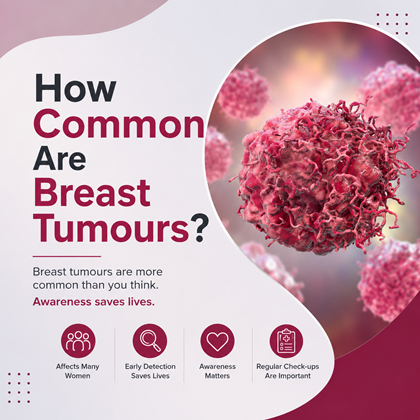
How Common Are Breast Tumours?
Breast tumours are a common problem for many people. How Common Are Breast Tumours? A breast lump is a very common reason for women to consult with a breast specialist. Studies indicate that many breast lumps are not malignant, especially in young women. However, the risk of breast cancer rises with age, so it is important to assess for proper evaluation, regardless of the patient’s age.
Disease detection is facilitated through regular breast self-awareness, regular clinical exams, and recommended screening tests. If a tumour needs treatment, early action will help ensure a successful outcome.
What Causes Breast Tumours?
There are several reasons why breast tumours can occur. Doctors often can’t determine a specific cause, but some factors can raise the risk for breast lumps.
These include:
- Hormonal changes
- Increasing age
- Family history of breast disease.
- Genetic factors
- Previous breast conditions
- Obesity
- Lifestyle factors like smoking or excessive drinking
Remember, if you have one or more risk factors, you don’t necessarily have a breast tumour. Similarly, there are no known risk factors for most people who develop breast tumours.
What Are the Symptoms?
Not all breast tumours show signs or symptoms; some are found as part of regular screening.
Common signs include:
- A lump in the breast or underarm area.
- Breast size or shape changes
- Thickening of breast tissue.
- Persistent chest pain
- Nipple discharge
- Nipple inversion
- Wrinkled or dimpled skin effect.
- Redness or swelling of the breast(s)
If you see any of these symptoms, get a medical exam right away. Early assessment can help to determine the cause and, therefore, treat it if needed in a timely fashion.
How Are Breast Tumours Diagnosed?
There are multiple stages of breast tumour diagnosis. Your doctor will first review your medical history and conduct a physical exam.
Further investigations may be used, depending on your symptoms and age, and will include:
- Breast ultrasound
- Mammography
- MRI scan
- Needle biopsy
These tests will help to identify if the tumour is benign or malignant and what further treatment is required. Dr. Naveera Rafique works out a unique evaluation strategy for patients at Incisions Clinic to provide them with the right diagnosis and treatment.
Treatment Options for Breast Tumours
Treatment will depend on the type, size, and location of the tumour. If your tumor is not cancer, your doctor may suggest the following treatments:
- Regular monitoring
- In some situations, doctors may give the patient medicine.
- If the lump is growing, causing pain or cosmetic problems, it must be removed surgically
If investigations confirm the presence of a malignant tumour, treatment might involve surgery and may include other treatments recommended by an oncology team. Each patient is treated with a personalized approach to treatment depending on their diagnosis and health condition.
Can Breast Tumours Be Prevented?
While often impossible to avoid breast tumours, some healthy lifestyle choices may lower your risk.
These include:
- Keep a healthy weight on you.
- Exercising regularly
- A healthy diet is eating a diet that is well balanced.
- Limiting alcohol intake
- Avoiding smoking
- Going for routine breast screening
Get to know what they look and feel like when they are not swollen and painful. Screening and early detection are the best tools for detecting breast abnormalities before they get worse.
Why Choose Incisions Clinic?
When it comes to any kind of breast condition, it is important to select a surgeon who has experience. Patients are treated with compassion, given up-to-date diagnostic aids and tailor-made treatment plans in a comfortable clinic at Incisions Clinic.
Dr. Naveera Rafique has a wealth of experience in examining and treating all types of breast issues. She carefully listens to what concerns her patients, explains all their available options for treatment, and advises on the most suitable option. She is patient-centered, providing safe, professional, and individualized care throughout each person’s treatment journey.
Final Thoughts
How common are breast tumours? is a question that is often asked. In fact, breast tumours are fairly common, and many of them are not cancerous. However, any lump in the breast should be medically assessed, as early diagnosis can make a huge difference in treatment.
If you see any changes in your breasts or if you find a lump, don’t dismiss the signs. Make an appointment at Incisions Clinic with Dr. Naveera Rafique to undergo a thorough exam and discuss the best treatment options available. Early intervention can help ease anxiety, keep you healthy, and make a difference.