Skip to content


The presence of any soft lump beneath the skin should be a cause for concern. A lipoma is a common cause. A lipoma is a slow-growing, fatty lump. It typically occurs between the skin and underlying muscle and is usually soft or rubbery to palpation. The majority of lipomas are not painful and are harmless to health.
However, there is one question that many people wonder: Can a Lipoma Go Away on Its Own? Lipomas, in most cases, do not go away on their own. They may grow gradually over time or stay the same size for years. Knowing about the possible causes of lipomas and when to have them checked can help determine what to do next.
What Is a Lipoma?
A lipoma is a non-cancerous accumulation of fat tissue underneath the skin. It may occur in various areas of the body such as the neck, shoulders, back, arms, thighs, and abdomen.
Lipomas tend to have a couple of obvious characteristics. They are typically soft, slightly movable, and slow-growing. Many of them are also pain-free.
Lipomas are usually harmless, but it is important that any new or changing lipoma be evaluated by a professional health care provider. Sometimes, a lump resembling a lipoma might have another cause.
Can a Lipoma Go Away on Its Own?
Can a Lipoma Go Away on Its Own? No, typically, a lipoma just isn’t going to go away. There are some lumps that may alter or diminish in size due to inflammation or other temporary factors. In most cases, however, a true lipoma is not painful, but it can be left behind until the lipoma is taken out with the right medical intervention.
This does not mean that all lipomas should be treated. A doctor might just want to watch the lump if it is small and painless and hasn’t changed. But it might be recommended if the lipoma becomes uncomfortable, enlarges, interferes with movement, or if there is a concern about its appearance.
Why Does a Lipoma Stay?
Lipomas are made up of mature fat cells enclosed in a thin capsule. The body does not automatically shed the growth when the person is losing weight or going on a diet.
This is why it is not likely that a lipoma will vanish after you exercise or lose weight. While a healthy lifestyle is still key to general good health, it is not viewed as a direct treatment for a lipoma.
When Should You Have a Lipoma Checked?
If you are not certain what the lump is, or if it has changed, it is a good idea to have the lump investigated by a new doctor. If a lump is present and you have not already been seen by a doctor, it is advised that you seek medical advice.
- Starts growing quickly
- It becomes painful
- Feels unusually hard
- Lacks ability to suppress the movement of the skin beneath it.
- Changes in appearance
- Interferes with movement
- Causes persistent discomfort
The signs alone are no indication that the lump is harmful. They just mean that they may need to be further assessed.
How Is a Lipoma Treated?
One common treatment for removal is surgical excision. In the case of a lipoma, the surgeon will make an incision and remove the lipoma in the course of an excision. The specific method used will vary depending on the size, location, and depth of the lump.
Sometimes other methods are used. After examining the lump, your doctor will be able to tell you what is right for you. If a patient has unwanted lumps, they can talk to Dr. Naveera Rafique at Incisions Clinic about possible treatment options.
Does Removing a Lipoma Prevent It From Returning?
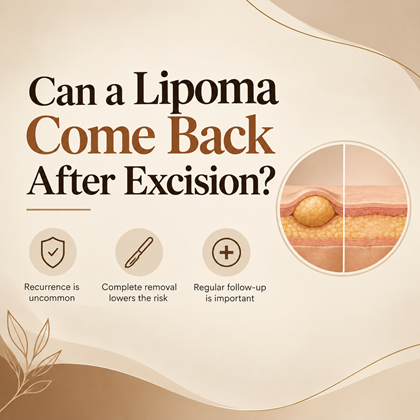
Once the lipoma is completely removed, it will not grow back in the same area. But just because you have one lipoma, it doesn’t mean you won’t get another one somewhere else.
Therefore, it is advisable to have any new or changing lump checked, and not assume it is the same type of growth.
Lipoma Removal Cost in Islamabad
The cost of lipoma removal in Islamabad can vary depending on the size, location, number of lumps, and procedure required. At Incisions Clinic, lipoma excision may generally range from PKR 50,000 to PKR 150,000, depending on the case.
Factors that can affect the cost include:
- Size and location of the lipoma
- Number of lumps being removed
- Surgical technique
- Types of anesthesia
- Required tests or imaging
- Follow-up care
Dr. Naveera Rafique can examine the lump and provide a more accurate treatment plan and estimate.
Final Thoughts
Can a Lipoma Go Away on Its Own? A true lipoma will not go away on its own. If it is small and is not causing any issues, monitoring may be sufficient to monitor. Removal may be considered if it grows out of place, is uncomfortable, or has an impact on appearance. The best way to determine the nature of the lump and whether treatment is necessary is to get a professional opinion.